Italian Baking for Beginners: Three Cookie Projects
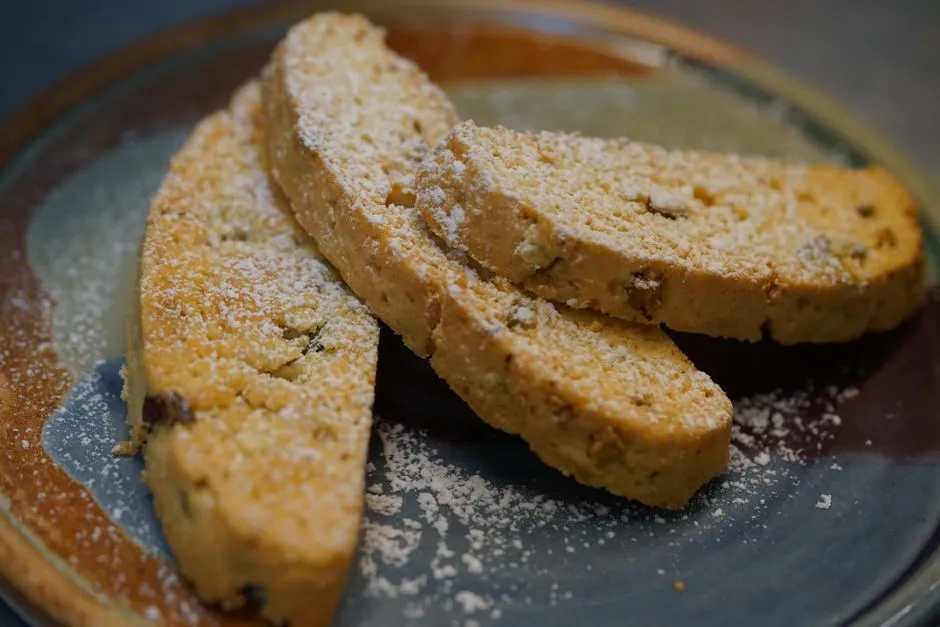
- Which Italian baking project fits your kitchen?
- How do the three projects compare?
- When does a shaped almond cookie make sense?
- When should you choose the iron project?
- When is piping the skill you want to practise?
- What would a realistic choice look like?
- Which checks come before any dough or batter?
- How do you move from selection to baking?
- Sources
Which Italian baking project fits your kitchen?
For a beginner Italian baking project, compare the complete method with your equipment and available preparation stages. The three cookie examples here offer chilled dough, iron cooking or whipped-and-piped batter. Choose one complete published recipe before shopping, check allergens, follow its cooking instructions and never taste raw dough. These are researched project comparisons, not recipes tested by this publication.
Start with the job you want to try, rather than the photograph you most want to reproduce. Making neat portions, operating a cookie iron and piping batter are different projects, even when all three finish on a serving plate.
This guide compares three specific King Arthur Baking recipes. It does not rank every version of these cookies or provide shortened cooking instructions. Open the linked full recipe before deciding. The practical choices and sample planning cards below are our editorial suggestions.
How do the three projects compare?
| Published project | Stated yield | Preparation to plan for | Equipment distinction |
|---|---|---|---|
| Amaretti | 36 cookies | At least 1 hour of dough refrigeration; 25–30 minutes baking | Baking sheet; portioning and sugar coating |
| Pizzelle | 30–50, depending on size | Repeated cooking in the iron, following its instructions | Pizzelle iron and its model manual |
| Ladyfingers | About 4 dozen | Separate whipped mixtures, folding and piping; 18–22 minutes baking | Pastry bag with a plain round tip |
The times shown are selected stages, not promises of when you can serve the finished batch. Read the complete method for preparation, cooling and storage. A yield range also deserves to remain a range on your shopping note.
When does a shaped almond cookie make sense?
King Arthur's amaretti recipe mixes almond flour, sugars and unwhipped egg whites into a dough. It refrigerates that dough before portioning and coating it. This is a useful candidate if you want to concentrate on shaping, provided the ingredients suit the people eating it and the chilling stage fits your plan.
The page's short total-time label does not account for its required refrigeration. Use the method's stages when planning, rather than assuming the summary is a complete schedule.
When should you choose the iron project?
King Arthur's pizzelle recipe makes a thick batter with eggs, flour and melted butter. It directs the reader to the iron manufacturer's preparation and cooking instructions. Read the manual for your actual model before starting; another iron's timing is not its setting.
Our selection rule is straightforward: if the appliance and instructions are unavailable, choose a different project today. Do not improvise a cooking surface or handle hot plates to inspect the pattern. Follow the manufacturer's handling precautions.
When is piping the skill you want to practise?
King Arthur's ladyfingers use separately beaten whites and yolks, folding, then a pastry bag with a 3/8- to 1/2-inch plain round tip. Their preparation asks you to coordinate several mixtures before shaping. Choose this project when that sequence is what you want to learn.
Read through the entire sequence and arrange the required bowls and tools before mixing. Keep the full recipe open at the step you are following. That is more useful than repeatedly returning to a search-results thumbnail.
What would a realistic choice look like?
Here are two invented planning cases, not kitchen-test results or universal difficulty rankings.
Case one: shape rather than pipe. Mara has ordinary baking equipment, no cookie iron and time for a refrigeration stage. She wants to work on consistent hand-shaped portions. Our choice among these examples would be the almond-cookie project, after confirming that its ingredients suit her guests. She keeps the iron and piping projects on a future list.
Case two: learn the bag. Eli already has the required bag and tip and specifically wants piping practice. He chooses the ladyfinger method and reads its preparation sequence before committing. He is selecting a skill, not claiming that a longer equipment list makes a better cookie.
A decision card can stay short:
- Chosen recipe: exact title and source.
- Reason: the task you want to practise.
- Missing item: ingredient, utensil, appliance or instruction.
- Unresolved step: the part of the method you must understand first.
- Serving plan: who will eat it and any ingredient restrictions.
If the unresolved step remains unclear, postpone mixing. A different project is a sensible outcome of reading a recipe carefully.
Which checks come before any dough or batter?
CDC's raw-dough guidance warns against eating raw dough or batter. Keep raw flour and eggs separate from ready-to-eat food; wash hands and clean utensils and work surfaces afterward. Follow the complete recipe's cooking instructions. FDA separately warns against home heat treatment to make flour safe to eat raw.
FDA's allergen-label guidance says to read the entire ingredient information, not only a Contains statement. An absent voluntary precautionary statement does not guarantee freedom from cross-contact. If ingredient suitability is uncertain, do not serve the product. Seek qualified advice about managing a person's food allergy.
How do you move from selection to baking?
Keep the first attempt tied to one complete formula. Record any questions before changing ingredients, portions or equipment. This comparison gives you a reason to choose; the selected recipe supplies the measured cooking process.
For different starting formats, our almond biscotti and orange ricotta cookies have their own methods. If quantity is the obstacle, read cookie-recipe scaling separately. Choose the project first, then resolve its practical requirements without merging several recipes into an untested one.